
Books
My books naturally extend my work as a researcher and clinician. They stem from a shared conviction: scientific knowledge gains its full meaning when it becomes accessible, useful, and capable of shedding light on questions posed by parents, professionals, and society at large. Whether aimed at the general public or professionals, they all pursue this ambition to transmit knowledge without sacrificing nuance or rigor.
Books for the General Public
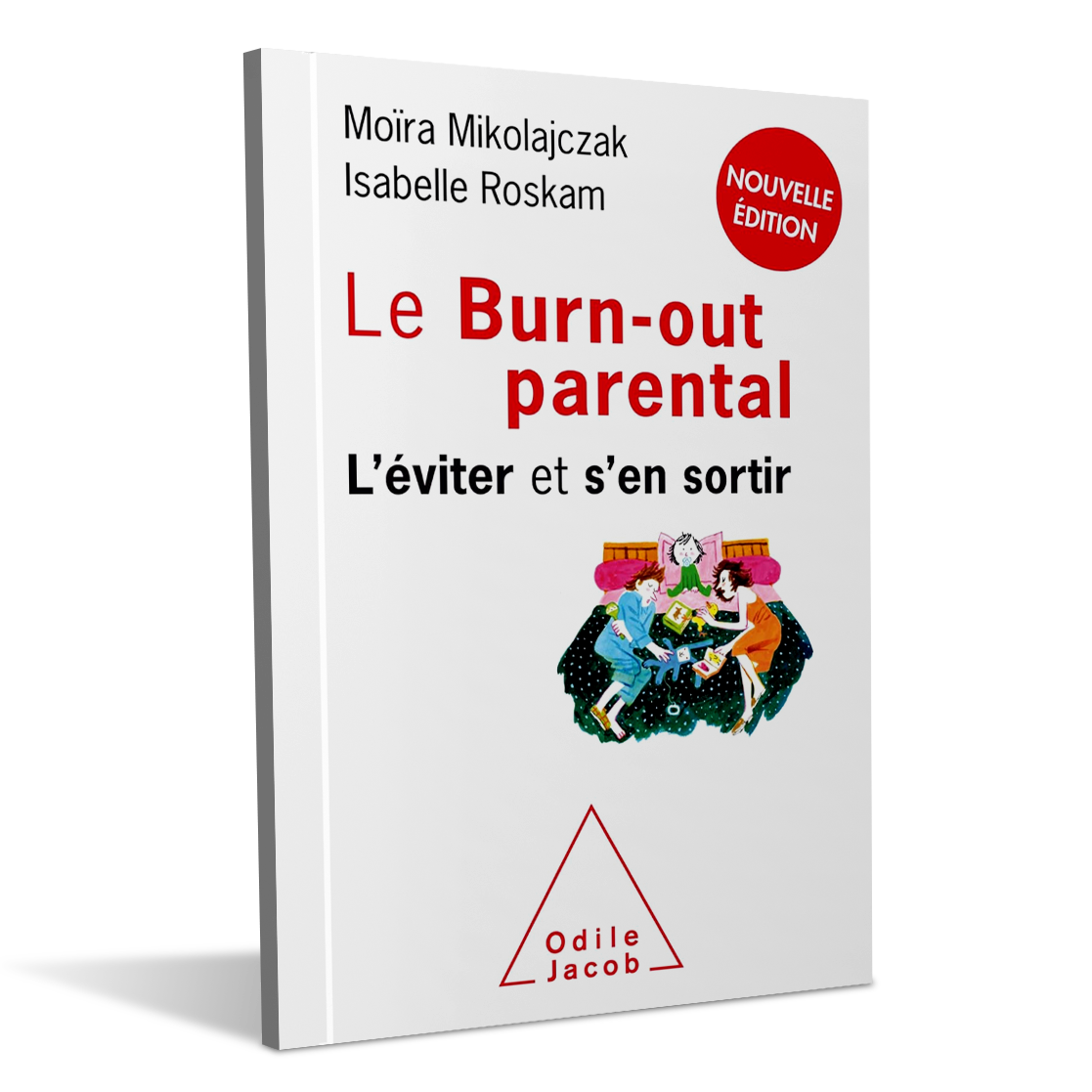
Parental Burnout. Prevent and Recover (co-authored by Moïra Mikolajczak)
You want to be a good parent, caring, attentive, and available. In a word, perfect! In reality, you often feel exhausted, you feel guilty for not having listened enough to your children, for having lost your temper over nothing…
This book is for all exhausted parents who seek to understand what parental burnout is, how close or far they are from it, and how they got there. And, above all, how to recover and prevent it from happening again.
Insights and testimonials from numerous field studies will help you better understand how parental burnout develops and what its consequences are. Practical tests will allow you to assess your personal situation, and concrete advice will help you regain control.
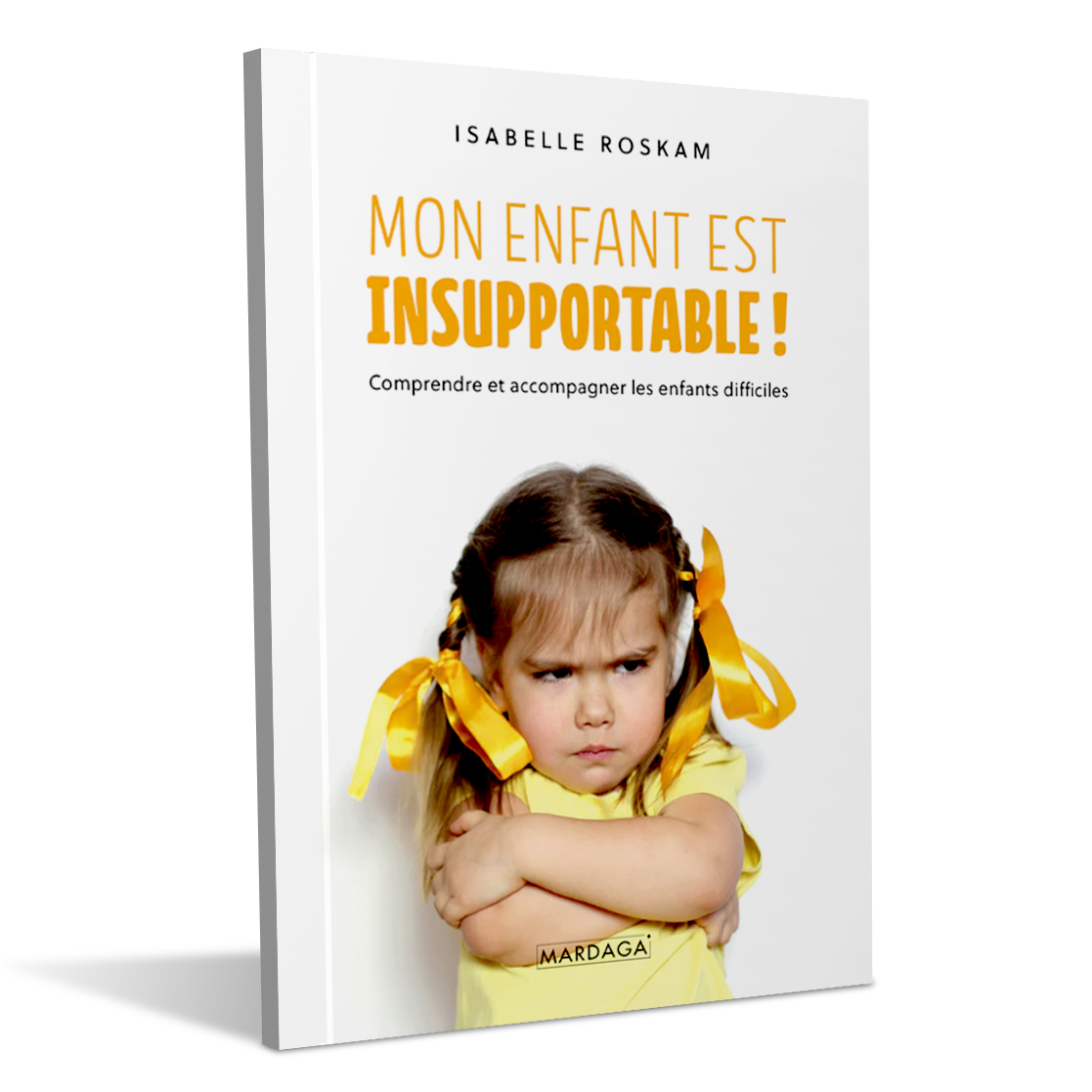
My Child Is Unbearable! Understanding and Supporting Difficult Children.
Agitation, shouting, crying, aggression... children have a thousand and one ways to express their dissatisfaction! And this often proves disconcerting for the adults around them. How should one react to these behaviors? Is it the upbringing that is problematic? And above all, when should one truly worry about it?
Drawing on both her clinical practice and the latest scientific research, Isabelle Roskam answers questions posed by parents worried about their child's behavior. She begins by helping each parent analyze their own situation: is my child really difficult? Are their behaviors normal? She then provides keys to understanding the child's development and actions, within their family and in the school environment. Finally, she enables each parent to calmly approach their child's behavior to overcome sometimes difficult situations.

Children's Emotions
Emotional life occupies a considerable place in the daily lives of parents and professionals responsible for the education, health, and development of children. Anxious to adapt to their needs, they try to grasp expressions of pleasure, signs of interest, anger, and fears, from the infant's first cries to the complex signals of adolescents. In this book, supported by numerous examples, they will find the keys to understanding the main stages of emotional development and the subtle balance at play in adult-child interactions.
Coming soon
Parental Regret: Understanding and Embracing It (co-authored by Konrad Piotrowski)
Parental regret is an intimate, often silent, and still largely taboo experience: that of parents who come to believe their lives could have been more fulfilling if they hadn't become parents. Too often reduced to caricatures or polemical debates, this phenomenon deserves to be understood with nuance and without judgment. This book offers an accessible and rigorous synthesis of knowledge on the subject, clearly distinguishing parental regret from the ordinary difficulties of parenthood or parental burnout. It explores the psychological mechanisms, identity issues, and social norms surrounding this experience, while also opening avenues for better listening to and supporting affected parents.
Coming soon (Odile Jacob editions)
Books for Professionals
Emotion regulation and parenting (co-authored by James Gross and Moïra Mikolajczak)
Emotion Regulation and Parenting offers a benchmark synthesis of scientific knowledge on emotional regulation in the context of parenting. After presenting the conceptual foundations of parenting and emotional regulation, the book examines the influence of parents' emotional regulation on their parenting practices, as well as how it contributes to child development. It also addresses intercultural perspectives on emotional regulation and highlights recent advances and future research directions. Drawing on contributions from recognized experts worldwide, the different chapters cover key questions at the interface between parenting and emotional regulation. The book deals with both fundamental knowledge in the field and current, emerging, or controversial issues, identifying what is now established by research and what still remains to be explored.
Parental burnout (co-authored by Moïra Mikolajczak)
A comprehensive guide for professionals to better understand and treat parental burnout. Parental burnout is a topical issue. And this is not surprising because parental burnout is the direct result of profound changes that parenthood has undergone since the 1950s and which have intensified over the last decade. Indeed, the conception of the child, their needs, and their rights has evolved considerably, leading to unprecedented pressure on parents in history. Every parent today has the duty to make their child not only a responsible and socially integrated citizen but also a fulfilled, free, informed, conscious, and happy individual in their choices. This pressure occurs in a context where parents paradoxically have less and less time to devote to their parenting role. It is in this context that the parental burnout syndrome has emerged. It remained taboo for a long time for an obvious reason: being a parent should be a source of happiness, not exhaustion. The lifting of the taboo concerning professional burnout (it is now permissible to say that one has experienced burnout) has also facilitated the acceptance of the existence of its parental corollary.
How to treat parental burnout (co-authored by Maria-Elena Brianda & Moïra Mikolajczak)
An innovative 8-session program. In the absence of sufficient resources to compensate for the effect of prolonged stress related to parenting, some parents feel overwhelmed by the tasks and responsibilities their role entails. When they decide to undertake therapeutic work, these parents seek both to express their suffering and to obtain effective advice to feel better. This manual, the first of its kind, aims to guide professionals who support parents experiencing burnout in meeting these expectations within a group setting. The 8-session program proposed by the authors draws on both the structure of traditional interventions and the strength of group work, to offer a hybrid method that is both humane and effective. Each 2-hour session addresses a central theme, from the notion of parental perfectionism to the development of emotional skills. To implement them, practitioners will find all the essential material here: general outline, reminder of fundamental concepts, activity kit, and all printable support materials. In each case, multiple testimonials illustrate the contributions of the session, from the perspective of both professionals and parents, while points of attention and tips allow for adaptation to the complexity of situations that practitioners will encounter.
Professional, Parental, and Caregiver Burnout (co-authored by Moïra Mikolajczak and Emmanuelle Zech)
This book contains the essential keys to understanding professional, parental, and caregiver burnout, and how to intervene. It distinguishes between types of burnout, determines their commonalities, their differences, and teaches us how to diagnose and treat them, each according to its specificities. There are different types of burnout that can affect the professional or private sphere. How to distinguish them? What are their common points? Their differences? How to diagnose them? How to best adjust the intervention to each type of burnout? Structured around three axes – understanding, preventing, intervening – and illustrated with numerous clinical vignettes, the book will help any professional to grasp the issue of burnout simply and concretely and to adjust their diagnosis for better patient care. It is the only book that addresses the 3 types of burnout, offers downloadable assessment and management tools, as well as testimonials from parents, professionals, and caregivers.
The Psychologies of Gender (co-authored by Vincent Yzerbyt and Annalisa Casini)
Gender issues and inequalities between sexes have, for several years, aroused growing interest in many disciplinary fields, including psychology. In The Psychologies of Gender, several specialists in psychological sciences explore how sex and gender issues are addressed across all sub-disciplines of psychology (social, cultural, occupational, clinical, etc.). They examine various factors that contribute to the construction of gender at the individual level, delve into the psychological functioning of women and men, and study the question of gender at intergroup, positional, and ideological levels. They thus offer a complete and rigorous synthesis to fuel reflection on this debate and advance gender equality.
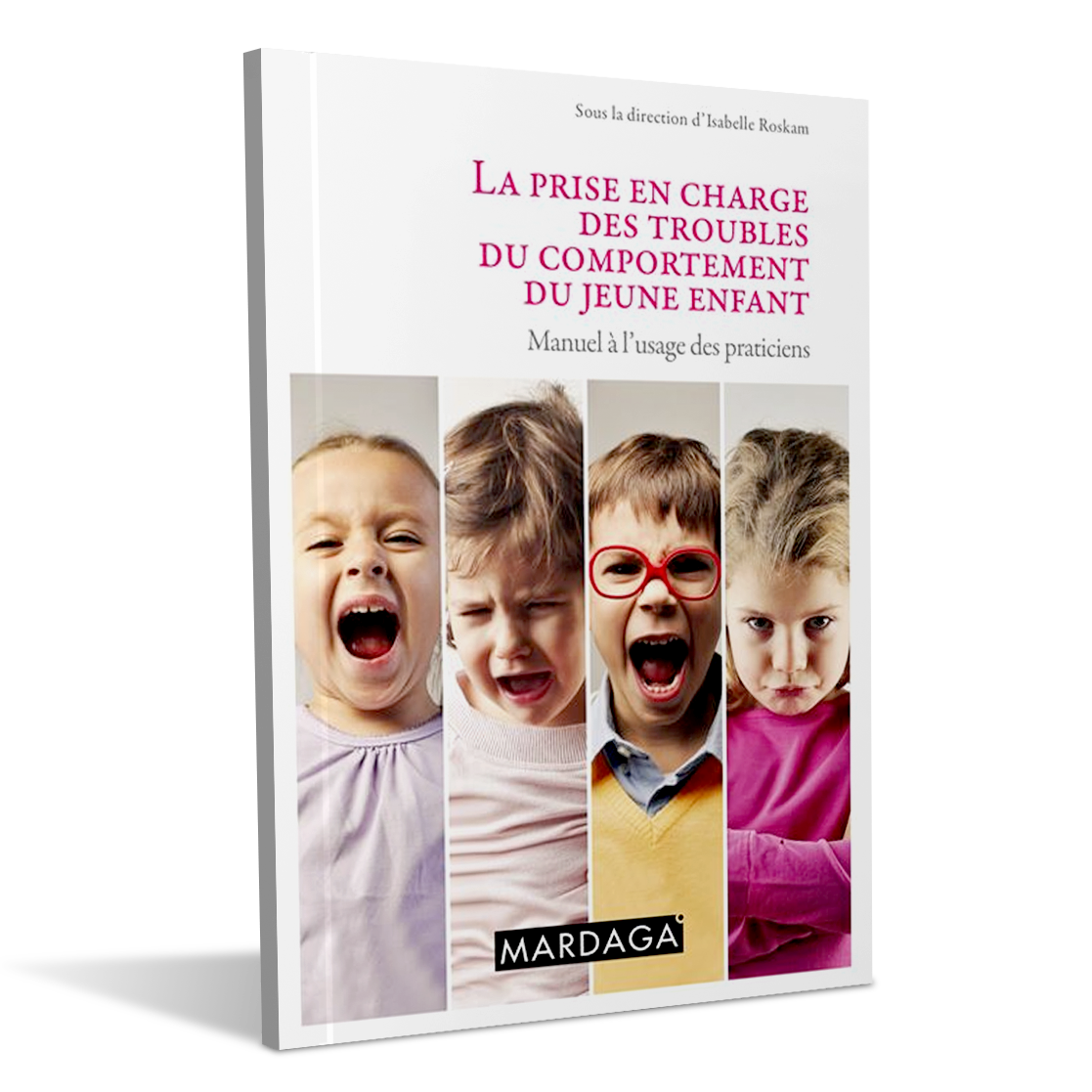
Management of Behavioral Disorders in Young Children (co-authored by Nathalie Nader-Grosbois, Marie-Pascale Noël, Marie-Anne Schelstraete)
The result of a decade of research conducted with so-called "difficult" children and their parents, this book aims to provide practitioners with useful therapeutic tools for managing their patients, as well as essential keys to understanding. The topic is certainly not new, but it continues to be a concern. Recent studies have indeed concluded that if these children were not followed, externalized disorders persisted into adulthood, thus impacting their future lives. It is therefore essential for practitioners to find the necessary tools for managing these children and/or their parents.
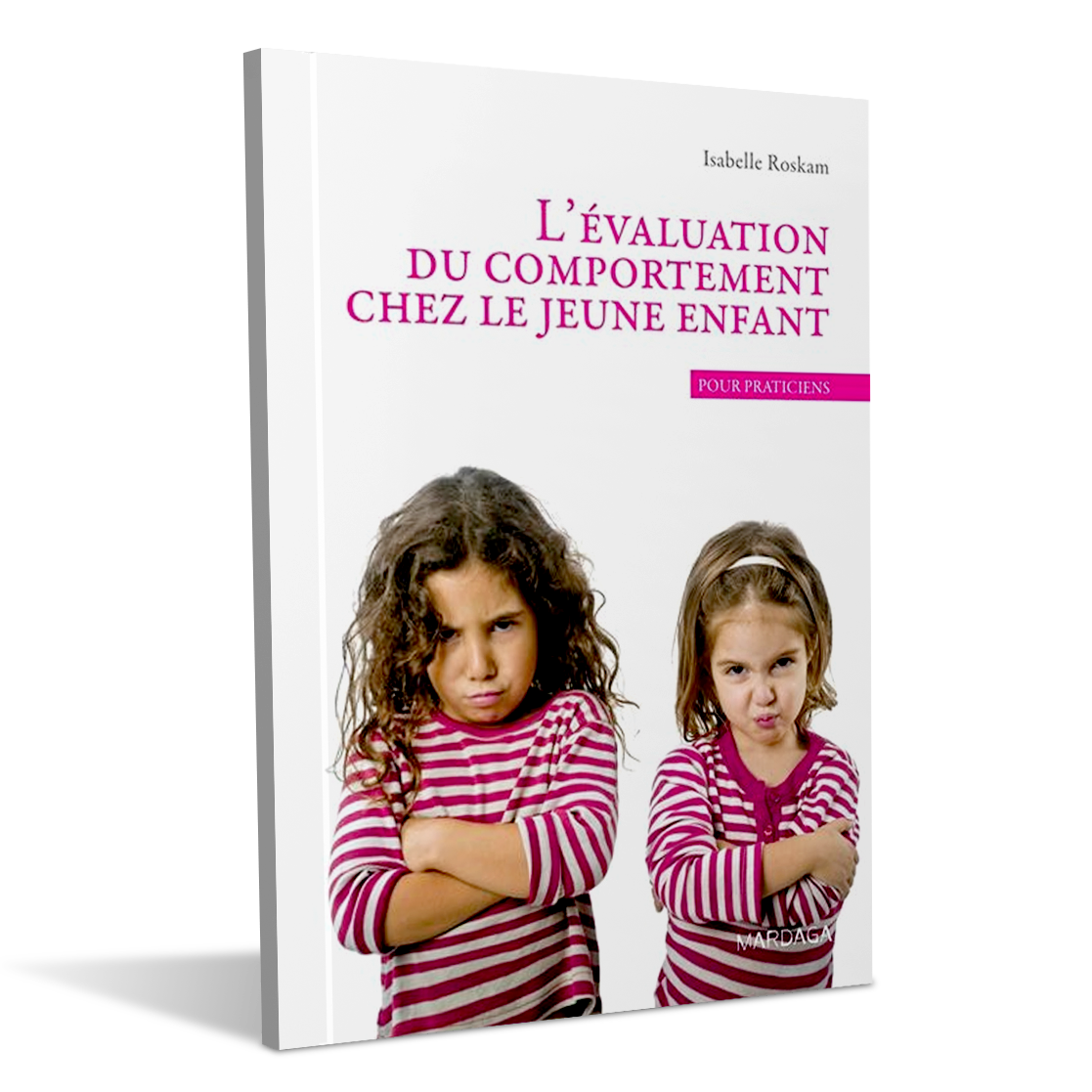
Behavioral Assessment in Young Children
The assessment of behavior in young children, meaning children under 6 years old, plays an important role in the diagnostic and therapeutic process. Why assess? Because behavior is a powerful indicator of mental health and well-being in young children. Its assessment makes it possible to know to what extent the child adapts, with their own characteristics, to the demands emanating from their environment. The results of this assessment provide essential clues for diagnosis. They also give valuable indications regarding the type of care that can be offered both in terms of school orientation and educational and psychotherapeutic aspects.
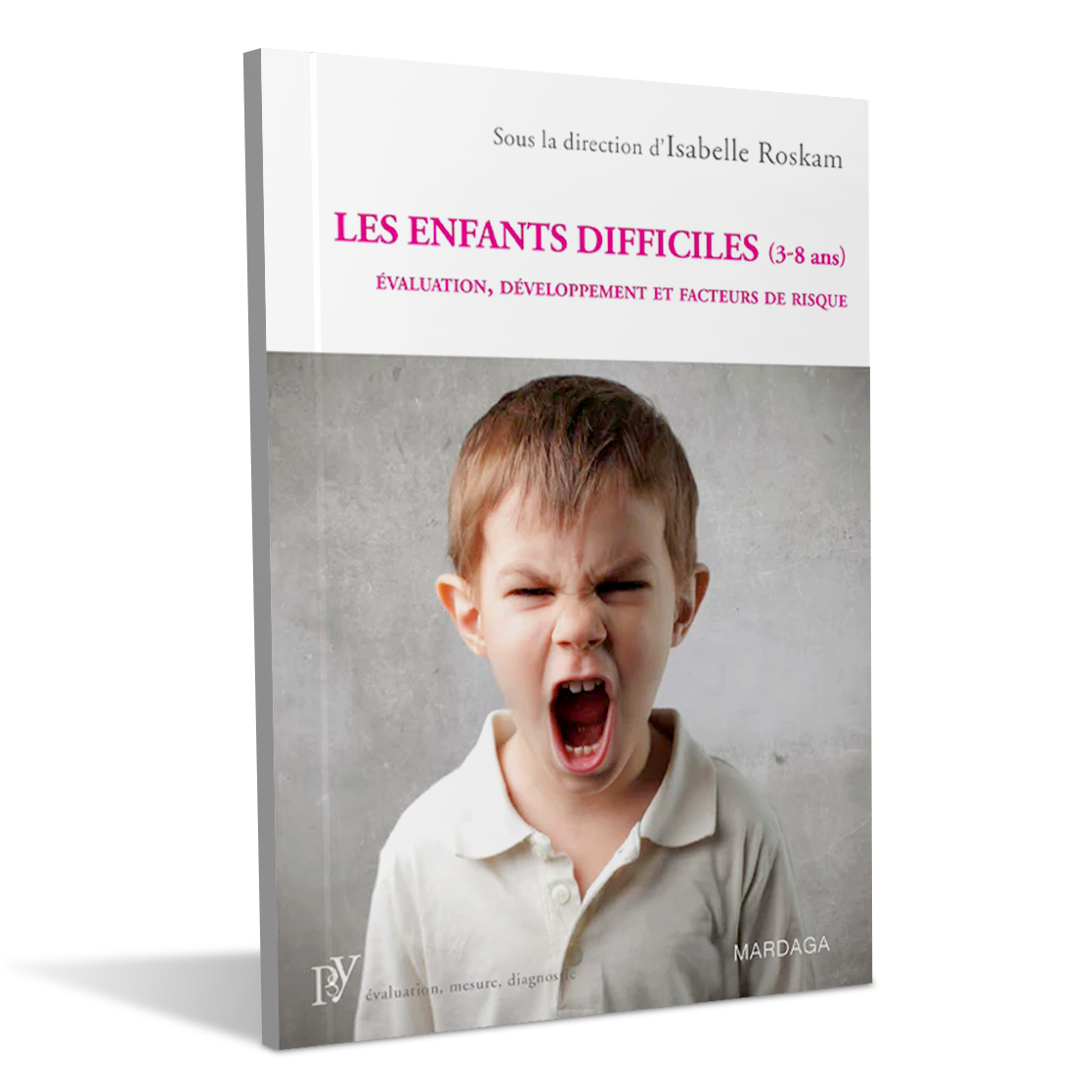
Difficult Children (3-8 years old)
Agitation, aggression, opposition, and provocative behaviors are not uncommon in young children. When their frequency or intensity exceeds a certain threshold, these children, described as difficult, raise questions for their parents, teachers, and educators alike. How can children be assessed early? How can those for whom intervention is necessary be identified? Do these behavioral disorders tend to persist? What are the risk factors associated with these difficulties? How can the disorders themselves be addressed, and how can the onset of secondary disorders be prevented? This book is the result of close collaboration between researchers and clinicians confronted with these children and the suffering of their loved ones. To address these questions and provide answers, the authors draw on a vast research program in which hundreds of children and families participated. Three appendices complete their work: a list of games, a list of books to use in sessions with children, and finally a glossary of specialized terms.
Psychology of Parenting (co-authored by Sarah Galdiolo, Marie Stiévenart, and Jean-Christophe Meunier)
Parenting is a theme that touches each of us: we are all our parents' children, and once adult, we all have to choose whether or not to become parents ourselves. Consequently, everyone can claim to have an opinion on many issues, enlightened by their own experience. Throughout this book, however, parenting reveals itself to be a complex subject of scientific study. This book helps to understand how one becomes a parent and what changes occur in an individual when they assume the parental role. It examines the repertoire of educational behaviors from which parents draw to interact with their child and explains how these behaviors are linked to cognitive processes, as well as how they fit into a specific socio-cultural context. Its approach offers professionals working with families an overview of techniques for assessing educational behaviors, parent-child interactions, attachment, parental cognitions, co-parenting, and sibling relationships. It also develops many questions related to intervention with parents, its specific challenges, its components, and its effectiveness. This book will be of particular interest to students in human and social sciences, psychologists, family mediators, social workers, and educators.
Stress and Challenges of Parenting (co-authored by Moïra Mikolajczak)
Being a parent today can be considered a real challenge... Parents have never questioned their role as much as they do today. Requests for help or advice from parents disoriented by their child's behavior are commonplace. Some parents are considered clumsy, even incompetent... Why then does parenting generate stress? What are the challenges that parents have to face? The book attempts to answer these questions by addressing a series of contemporary themes related to parenting. In addition to a synthesis of knowledge in areas such as prenatal stress, the challenge of same-sex parent families, or support for parents of difficult children, it leads to concrete recommendations and avenues for intervention with mothers, fathers, couples, and families who are questioning themselves or are suffering.